Great CIOs Are More Than Technical Experts


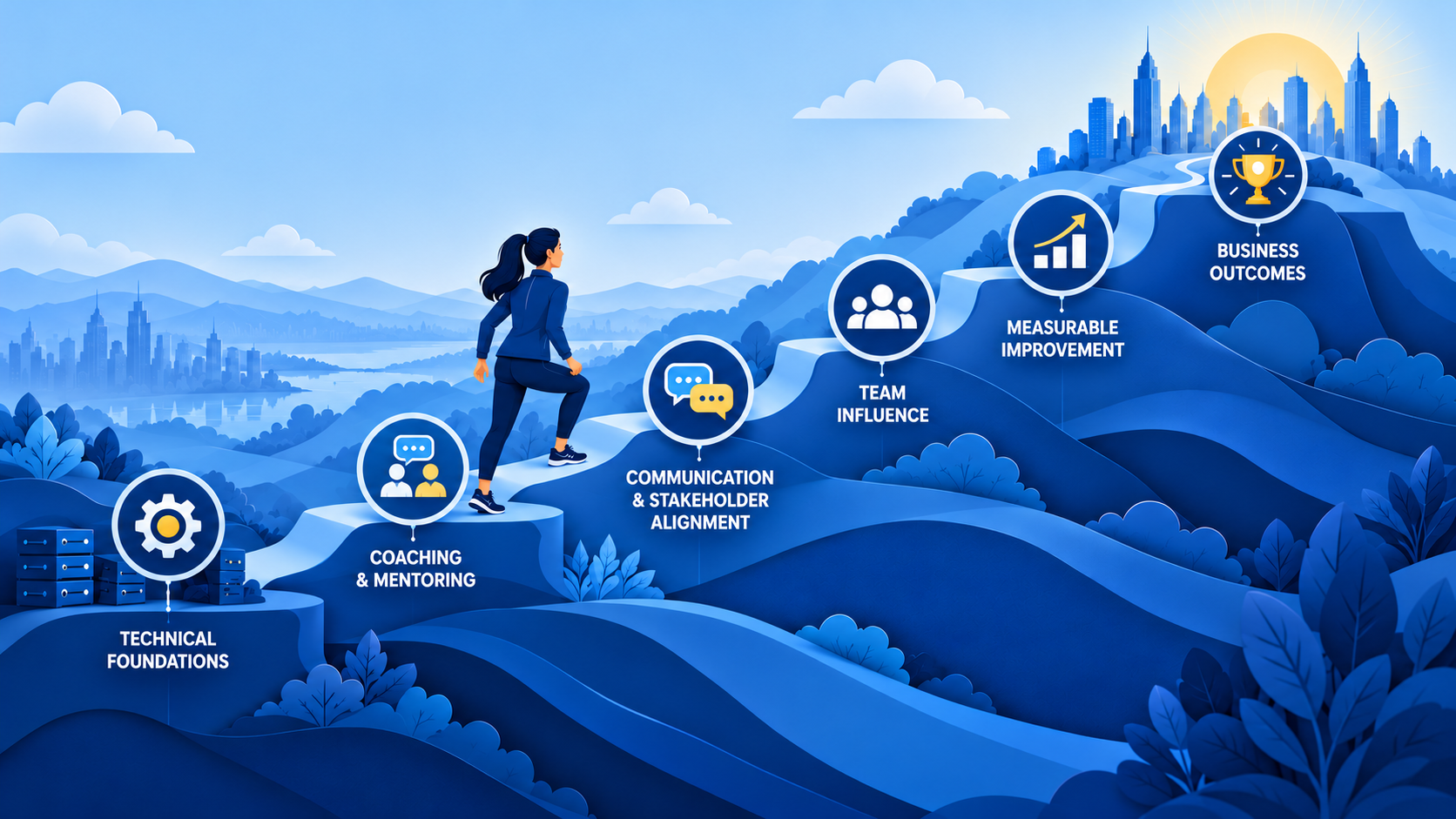
Why impactful IT leadership requires more than technical expertise—and why traditional executive coaching doesn’t fit IT.
The most admired IT leaders don’t just understand the work. They understand what the work means to the business — and help others see it, too.
I’ve worked thirty years in IT and I’ve seen too many talented technology leaders struggle to grow from functional expert to effective executive. Senior IT leaders have unique development needs, and I wasn’t finding a tailored solution in the market. So when I transitioned from CIO to Consultant, I wanted to build a coaching practice that focused on the specific challenges IT executives face every day. LeadIT is constructed around four key principles:
1. IT leadership requires a different set of competencies.
Traditional coaching focuses on general, behavioral skills. This isn’t targeted enough for IT: promising IT leaders with strong domain expertise will fail if they can’t connect technology decisions to business outcomes. They must extract business objectives into day-to-day IT priorities, deliver with discipline, and communicate with executive fluency.
There’s a clear set of observable leadership behaviors that can be developed and strengthened. And they’re often what distinguish a capable IT manager from a trusted business leader.
2. IT leaders need coaches who have been in their shoes.
There’s a difference between discussing a difficult leadership situation and discussing it with someone who has personally faced it. There’s special credibility in having handled platform selection, system outages, and conflicting stakeholder demands. They can openly challenge assumptions, offer alternative perspectives, and help leaders navigate difficult decisions with greater confidence because they have lived this experience.
3. Leaders are developed through practice, not a one-day workshop.
Growth and development happen in the context of real work. An upcoming executive presentation, a difficult stakeholder conversation, or an organizational challenge become opportunities to practice, receive candid feedback, and improve. In my experience, six months of regular interactions, dealing with real issues, can deliver sustainable change: communicating more concisely with executives, setting clearer expectations for their teams, and building stronger relationships across functions.
4. Personal growth should be measurable.
Too often, coaching success is measured by whether participants enjoyed the experience. That does not motivate long-term change, or hold participants accountable for adopting new behaviors. So we begin with a quantitative assessment of a specific set IT leadership competencies, incorporating both the participant’s and manager’s perspectives. With the coachee, we target specific capabilities for improvement. Six months later, we evaluate progress and identify where further development is needed.
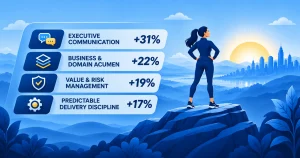
This creates accountability for improvement and gives leaders tangible evidence of their growth. Does it work? Yes. Our most recent group achieved 31% improvement in executive communication - discernible progress in their ability to frame decisions and translate technical issues into business terms.
We deployed LeadIT four years ago. It continues to evolve just as the demands on IT leaders change. And I’m rewarded to seeing our coaches growing their skills and their careers, and especially to see their self-confidence bloom.